
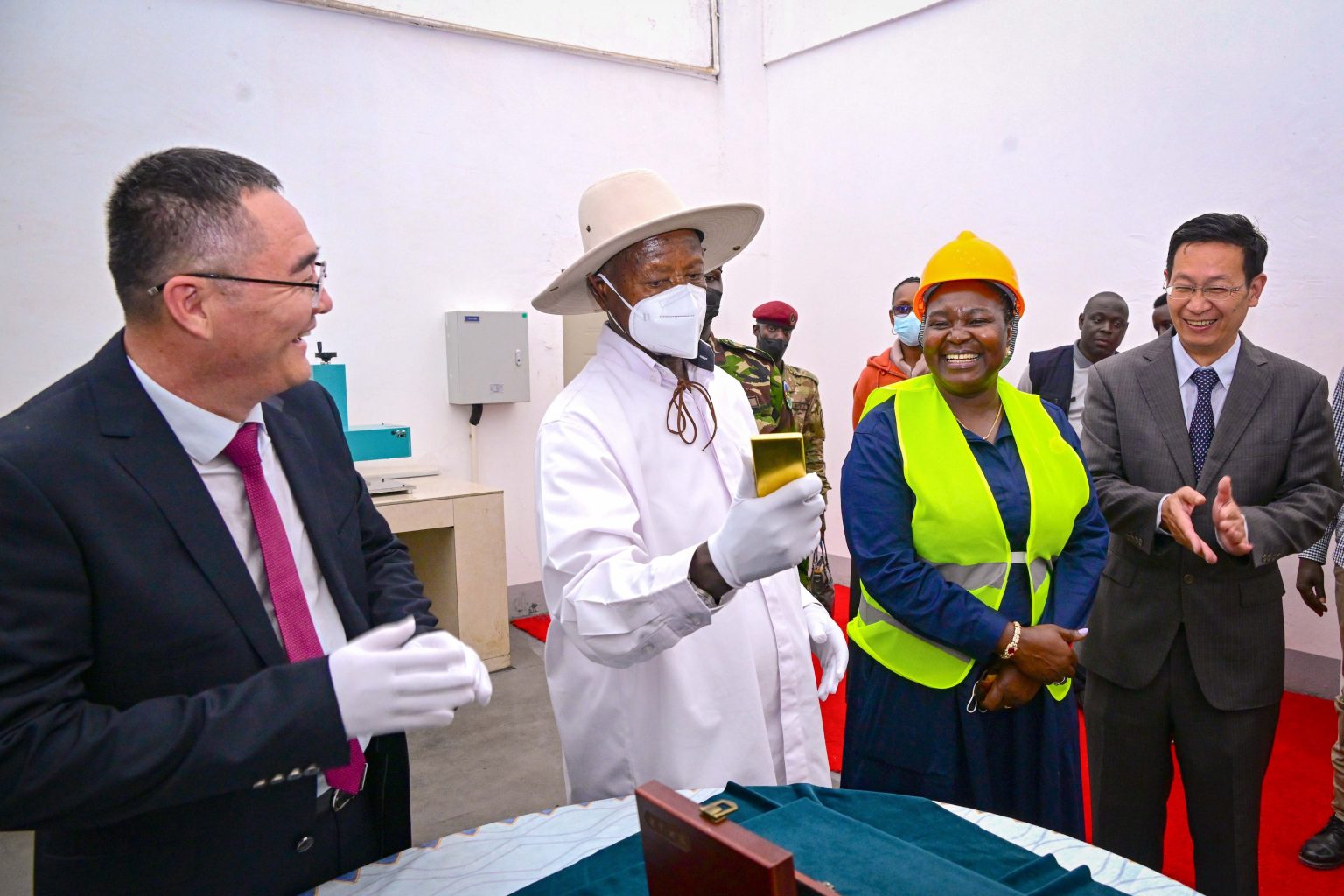
Uganda's 2022 Mining Act Creates Clearer Framework for International Investors
Uganda's landmark 2022 Mining and Minerals Act is being brought into full operation through subsidiary regulations developed in consultation with the Uganda Chamber of Mines & Petroleum, industry operators and civil society. Key provisions include formalised artisanal mining licences, mandatory environmental impact assessments, strengthened export documentation requirements and increased penalties for non-compliant operators. The framework aligns Uganda's regulatory environment more closely with OECD due diligence guidance for responsible mineral supply chains.
Why it matters
New Mining Act regulations formalise licensing and traceability, reducing risk for international buyers sourcing Ugandan gold.
Source
Uganda's 2022 Mining and Minerals Act represents the most comprehensive overhaul of the country's mineral governance framework in decades. Following the act's passage, the Ministry of Energy and Mineral Development and the Uganda Chamber of Mines & Petroleum have been working through an extensive consultation process to develop the subsidiary regulations required to bring its provisions into full operational effect.
Key elements of the regulatory package include formalised licencing pathways for artisanal and small-scale miners, who currently number between 400,000 and 600,000 direct participants (with an estimated two million benefiting indirectly). Bringing this segment into the formal economy is central to Uganda's efforts to improve supply chain transparency, increase government revenue and reduce the risk of conflict-linked or child-labour-associated gold entering export channels.
The act also strengthens export documentation requirements, increases penalties for non-compliant operators and mandates environmental impact assessments for new mining projects. High compliance costs have historically pushed some small-scale operators into informal activity; the regulations aim to address this through tiered requirements calibrated to operation size, coupled with government support for environmental assessments in priority areas.
For international buyers, these developments materially reduce supply chain due-diligence risk. Uganda's regulatory framework is converging with the OECD's Guidance for Responsible Supply Chains of Minerals from Conflict-Affected and High-Risk Areas — a benchmark increasingly required by European and North American institutional purchasers. Diamond Capital Africa's compliance operations are built around these standards, positioning us to provide the documentation packages that sophisticated international buyers require.